
Solo project · Independent academic strategy
Marketing strategy · Consumer insight · Speculative campaign
Growing Without Losing Home
Zippy's already crossed the ocean once. What should the second mainland market cost, and what did five restaurants in one city teach about pace?
The order that takes you home.
Independent concept · not a Zippy's advertisementZippy's is not an abstract brand to me. It is post-game meals, family orders, and knowing what everyone wants before the menu opens.
My usual:
Korean Fried Chicken
+ Orange Bang
Zippy's own words for the second half of it: “the perfect companion to a Zippy's meal.”
They call Las Vegas the ninth island for a reason
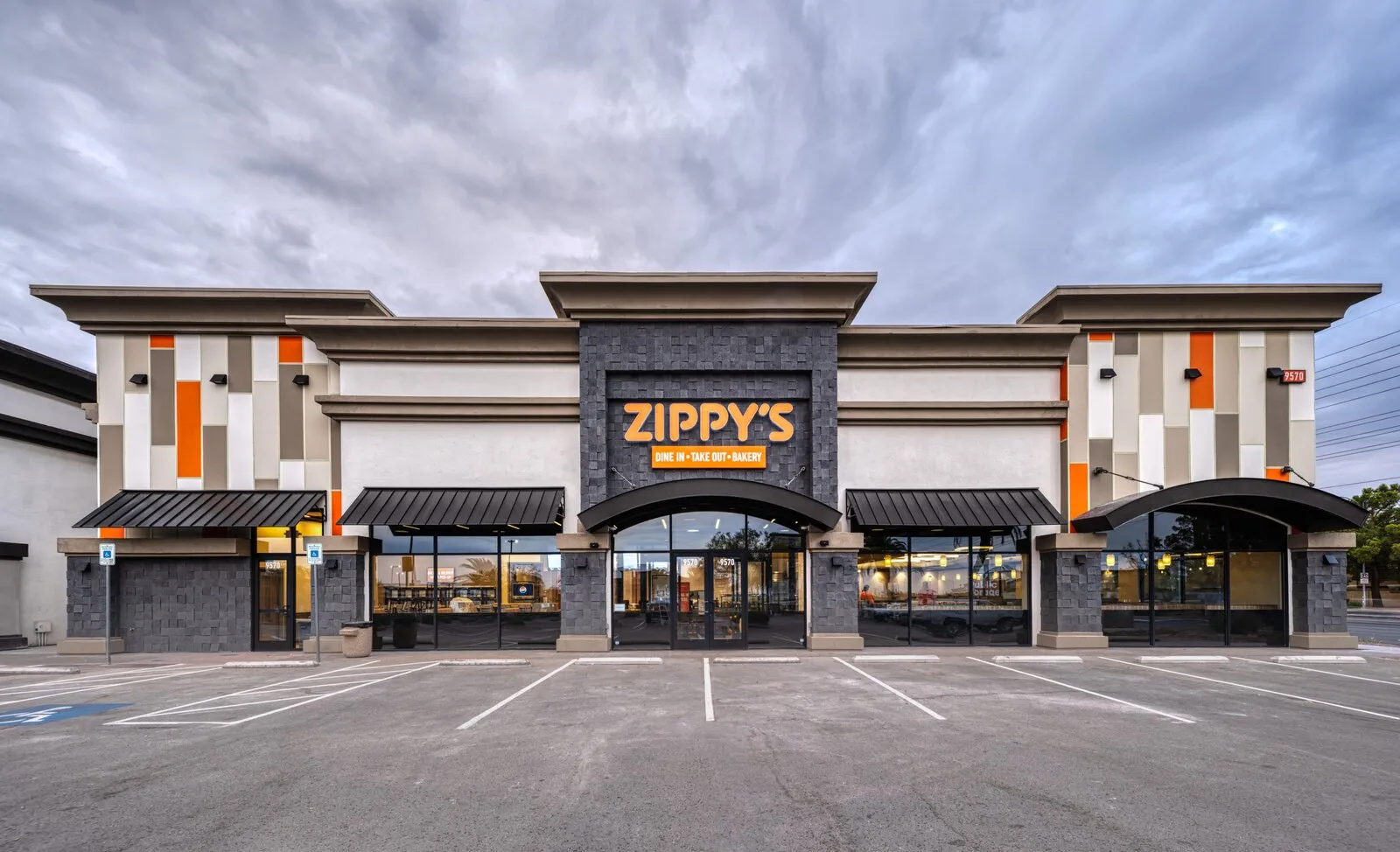
Zippy's opened its first restaurant outside Hawaiʻi in Las Vegas on October 10, 2023, at 10:10 in the morning. It had been announced in 2018 for a 2020 debut; the pandemic stopped construction in between.
Vegas was the obvious first move. So many people from Hawaiʻi live there that the city gets called the ninth island, and that is not just local slang: when Zippy's spoke about closing a location this summer, KHON2 reported the company would keep exploring sites "for the ninth island" and look to bring the brand to other states.
What happened next is the part worth studying. Five restaurants opened in thirty one months. Then, four weeks after the fifth opened, Zippy's closed its Hualapai Way store, calling it a strategic decision in its continued growth plans and moving every Hualapai team member to another Las Vegas location.
The lesson is pace. A brand can be genuinely wanted in a city and still add addresses faster than repeat behavior justifies. That is the single constraint market two has to respect.
- Oct 2023 Arroyo Crossing First Zippy's outside Hawaiʻi, five years after it was announced
- Mar 2025 Hualapai Way Store two, seventeen months later
- Sep 2025 Henderson Store three
- Jan 2026 Summerlin Store four
- May 2026 North Las Vegas Store five, first prepaid pickup line
- Jun 2026 Hualapai Way closes Four weeks after store five opened
“We continue to explore other locations for Zippy's in the area, as well as states beyond.” Zippy's statement on the Hualapai Way closure, June 16, 2026
Expansion already happened. The question now is what market two costs
This started as a project for my introductory marketing class in 2024. Two years later, I wanted to see how my thinking held up, so I returned to it independently and rebuilt the strategy around what had changed at Zippy’s.
Two years later the count is twenty six, four are on the mainland, and all four are in Las Vegas. The 2024 paper argued Zippy's should expand. It was right, and that is no longer the interesting claim. The interesting claim is what the second market should cost, and in what order.
This rebuild separates evidence from proposal. Zippy's public brand behavior, its retail distribution, and the Las Vegas record are evidence. Seattle, the sequencing, the trade areas, and the campaign are my recommendations, not statements about Zippy's plans.
The goal is not to copy a Hawaiʻi restaurant into another city. It is to carry the relationship people already have with the brand into a market where Zippy's has shelf space and no address.
Zippy's isn't starting market two from zero
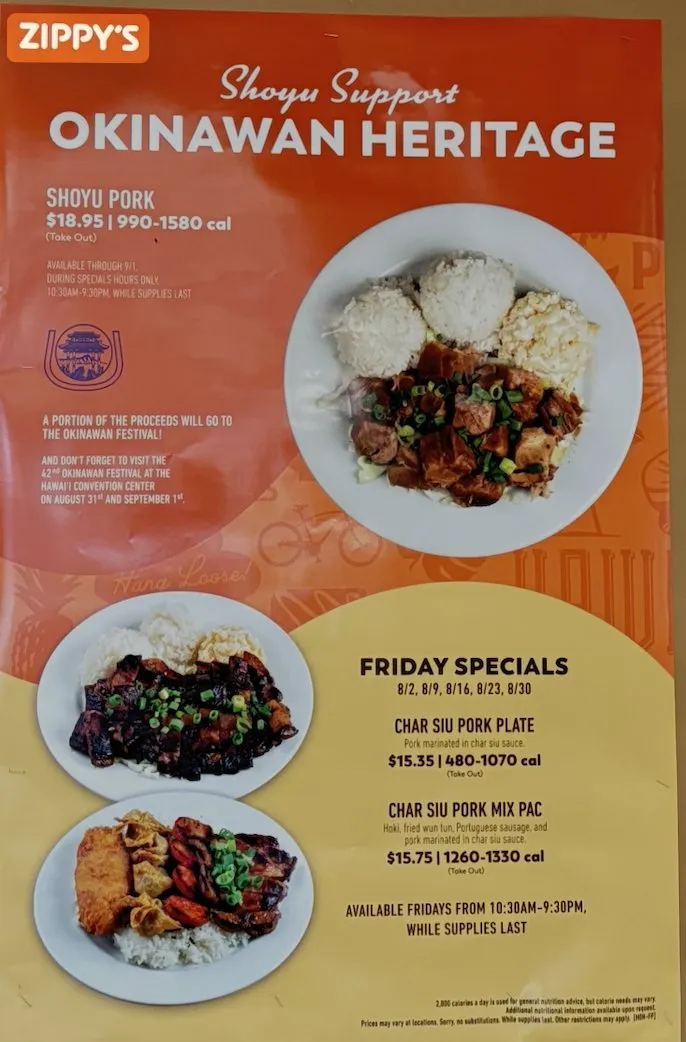
The shelf is already there
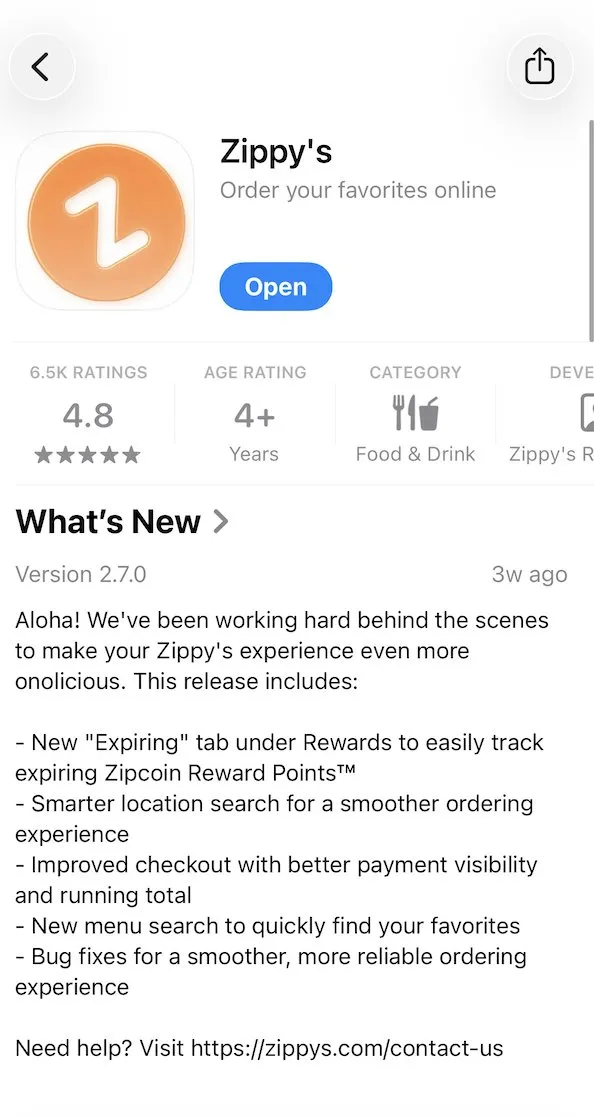
Zippy's makes its frozen retail line in a USDA-certified plant in Hawaiʻi, licensed to ship frozen product across state lines. The chili alone moves more than one hundred tons a month.
On the mainland it sits in Costco, Sam's Club, Safeway and Walmart. In the Seattle area it sits in Uwajimaya, a Seattle-founded Asian grocer with stores in the Chinatown International District, Bellevue and Renton. Uwajimaya describes its own Hawaiian cuisine selection as running “From Lau Lau, Portuguese Sausage to Zippy's famous chili.”
That matters more than it sounds. A restaurant is a lease, a build-out, a hiring plan and a guess. A freezer door is a channel Zippy's already pays for, already ships to, and can already read.
So the first gate in a Seattle plan is not a pop-up and it is not a site search. It is pulling the retail movement Zippy's already generates in that metro, by store, and letting it say which trade area wants a restaurant before anyone signs for one.
Receipt 01 Written summer 2024
“Partnering with local grocery stores and supermarkets to offer Zippy's signature products, such as the famous chili, in the ready-to-eat and frozen food sections. This is already being done in an Asian food market in Seattle.”
What happened The Asian food market was Uwajimaya, and the chili is still on that shelf today, alongside Costco, Safeway, Sam's Club and Walmart. The recommendation never changed. The evidence caught up to it.
Independent product concept
The second SKU: frozen Korean Fried Chicken
Zippy's already owns a freezer door in the market it should enter next. The cheapest way to grow that market is not another door. It is another product behind the one it has.
Korean Fried Chicken is the candidate, and not because it is my order. Zippy's menu describes it as “ten crispy golden fried chunks of tender chicken drizzled with sweet, salty, garlicky Korean style sauce.” It is also the current headline promotion on their own homepage: a $10.99 Korean Chicken and Chili Plate, fried chicken in sweet Korean sauce next to a scoop of Zippy's Chili, running on Oahu and in Las Vegas.
So the pairing is not my invention. It is their best offer this month. The proposal is only to put it in a box, next to the chili it is already plated with: air fry from frozen, no fryer, no technique required.
Its closest shelf competitor is Trader Joe's orange chicken, a product that built a following with no restaurant behind it at all. Zippy's would enter that category with sixty years of brand and a plate people already order by name. Chili on one side, chicken on the other, one freezer door. That is a basket.
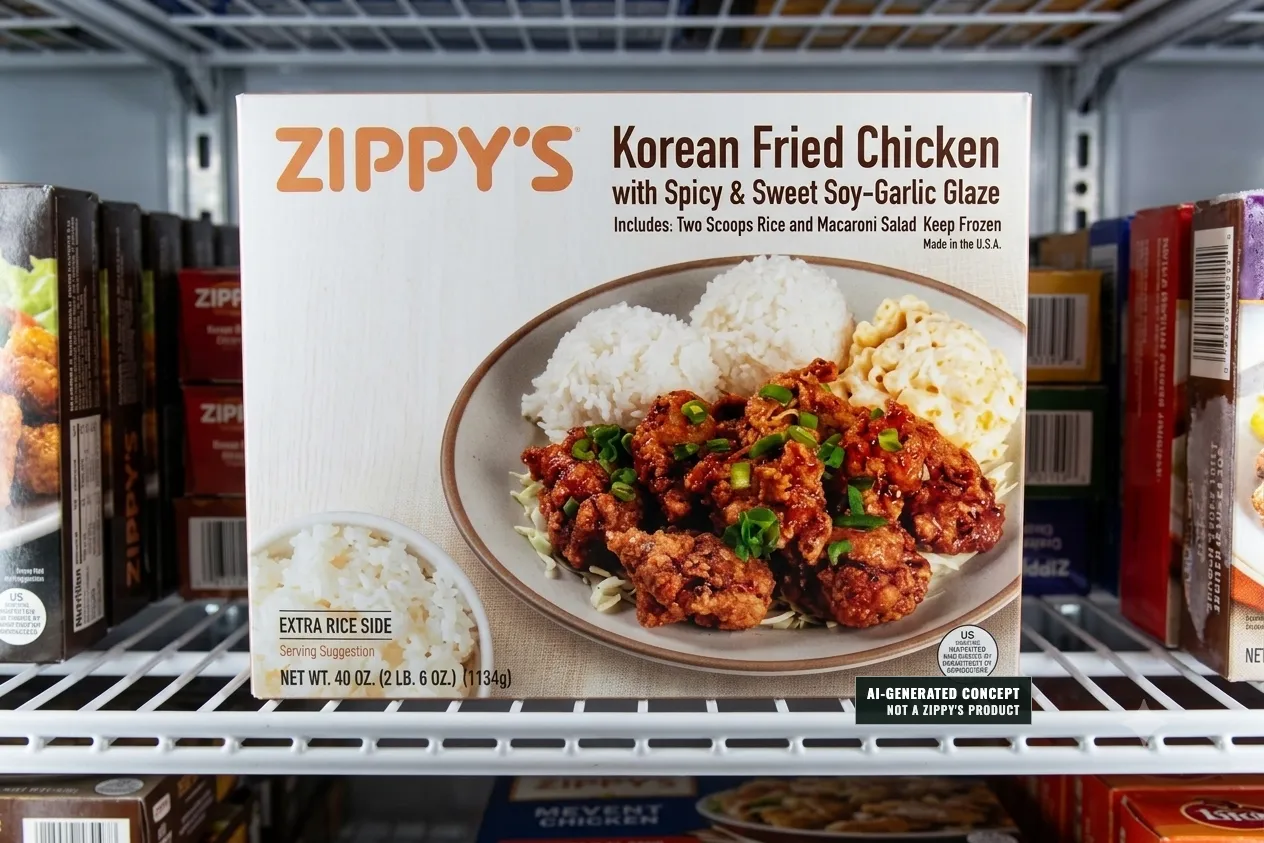
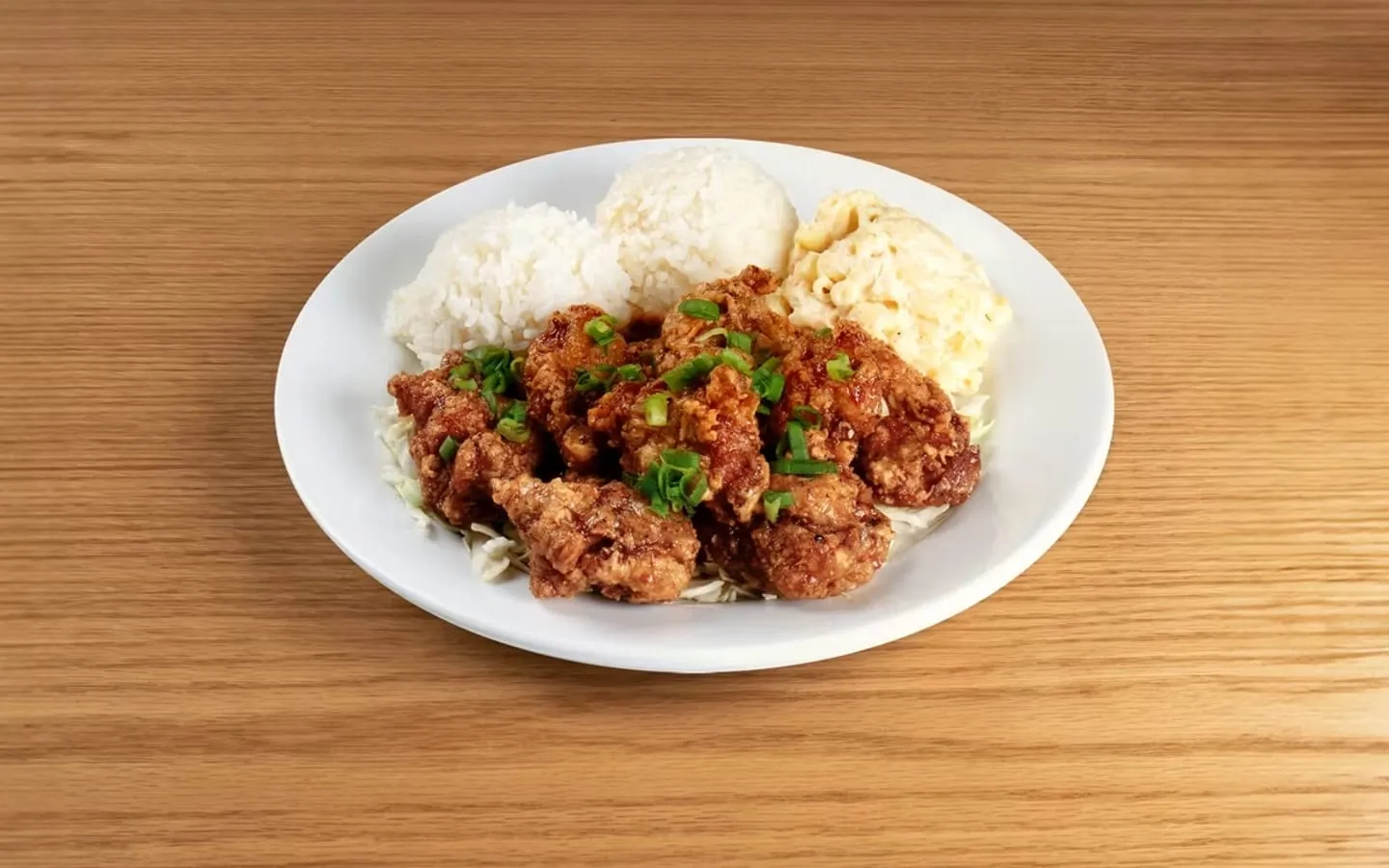
Product boundary: the frozen Korean Fried Chicken concept and its packaging are mine, not Zippy's. Nothing here reports a product Zippy's has announced, tested, or priced.
Earn the right to build the restaurant
Start where the shelf already sells
Existing retail distribution is a demand instrument Zippy's already owns. Read it by store before spending anything on a new market.
Lead with orders and memories
Use real favorites and personal stories as the creative system. The menu becomes a way into the brand, not a list of products.
Add the next site only after the first repeats
Las Vegas opened five restaurants in thirty one months and closed one four weeks after the fifth. Appetite was never the risk. Pace was.
If Vegas is the ninth island, Seattle is the tenth
Seattle is a hypothesis. The sequence below is how the shelf settles it before a lease does.
Washington takes the third most people leaving Hawaiʻi of any state, and holds the third largest Native Hawaiian and Pacific Islander population in the country. Zippy's already sells here. It just has nowhere to sit down.
- 5,855 movers from Hawaiʻi, 8.6% of departures
- 80,406 NHPI statewide, 19,400 in King County
- Three Uwajimaya doors, zero Zippy's addresses
Migration figures: KHON2 on Census Bureau state-to-state flows. Population figures: 2020 Census, Native Hawaiian and Pacific Islander alone. Both linked in full at the foot of the page.
Stage 03 does not need a storefront. It needs the densest concentration of Hawaiʻi people per square foot in the metro, at close to zero venue cost, with a built-in reason to post about it. That is a university quad. I spent four years at Seattle University and saw how many students there come from Hawaiʻi. UW is the same bet at a larger scale. One day on campus produces pre-order counts, rewards sign-ups and a scannable waitlist by ZIP code, which is more usable evidence than a weekend of downtown foot traffic.
- 01Read the shelfRetail movement by store. Live today, zero incremental spend
- 02Extend the lineA second SKU into the freezer door Zippy's already pays for
- 03Campus pop-upsPre-orders, rewards sign-ups, waitlist by ZIP code
- 04Delivery kitchenMargin, radius, 30/60-day repeat
- 05One permanent siteAnd prove repeat before anyone plans store two
Show up inside the community, not only in its ad feed
The event page for the first Max Holloway Golf Classic listed July 20, 2026, at Kapolei Golf Club, with Zippy's in the sponsor group and a named “Zippy's Breakfast and Warm-Up” at 9:00 a.m. This is evidence of the announced sponsorship and program, not confirmation of what took place that day.
That is strategically meaningful because the brand is participating through food, familiarity, and a local athlete. A market-two launch should preserve that instinct: join real community moments before asking a new city for attention.
View the event page ↗Independent speculative campaign
The Order That Takes You Home
A campaign platform built around usual orders, real memories, and measurable intent before Zippy's enters a new city.
One order. Three places in time
A player walks off a Seattle court in the rain. A takeout bag lands on the passenger seat. The first bite cuts to family dinners back home. The order carries the story.
End card: What's the order that takes you home?What's the order that takes you home?
+ Orange Bang
Join the market-test waitlist
Show Me Your Order
Real stories from people with Hawaiʻi ties.
Five Orders, Five Stories
Make menu range human and memorable.
My Usual
Connect saved favorites to repeat behavior.
Campus Weekend
A pop-up designed to collect evidence.
Receipt 02 Written summer 2024
“If Zippy were able to capitalize by marketing with people who have clout on the national stage, it would be huge for national expansion.”
What happened The paper named three people: Obama, Bruno Mars and Jason Momoa. Twelve months later Momoa put Zippy's in front of 8.5 million viewers, and Zippy's built a menu item on it. Details below.
A year later, it happened. Then Zippy's productized it
On August 1, 2025 the British YouTube channel Jolly published “Jason Momoa fed us Hawaiian Comfort food!” Momoa walks two British hosts through chili and rice, mac salad, fried chicken and saimin. It has 8.5 million views as of August 2026, and it travelled the way the paper hoped a celebrity moment would: a wave of reaction videos from other creators, and more than 700,000 likes on the TikTok cut alone.
Then Zippy's turned it into inventory. From January 12 to March 1, 2026, every location in Hawaiʻi and Southern Nevada sold the Wrecking Crew Pac, a co-marketing tie-in with Momoa and Prime Video timed to his film's January 28 premiere.
That is the second time this project read a move before the company made it. The first was the Seattle grocery shelf. Neither was a prediction with a date on it, and I am not claiming either as one. Both came from the same premise the campaign above rests on: what Zippy's owns is its food and the people who already love it, and both of those travel further than a building does.
Creative boundary: the speculative campaign uses original characters and no celebrity likeness. The Jason Momoa material above is reported fact with sources attached, not part of the concept, and the video belongs to Jolly.
Attention is the opening metric, not the outcome
- Distribution
- Retail movement by store · shelf placement · second-SKU sell-through
- Demand
- Waitlist conversion · ZIP-code concentration · branded search lift
- Trial
- Pop-up sell-through · new-to-brand share · order mix · average order value
- Retention
- Rewards sign-ups · favorite saves · 30/60-day repeat
- Economics
- Contribution margin · acquisition cost · delivery radius · waste
The rebuild changed the answer, not just the wording
The 2024 paper argued for pop-ups, digital ordering, loyalty, Hawaiʻi-connected communities and authentic storytellers, and it named a Seattle Asian market as a distribution channel before I understood how much weight that line could carry. What it did not do was survive contact with what Zippy's actually did next.
Rebuilding it in 2026 meant checking every claim against five openings and one closure, choosing a single market, and moving retail from a footnote to the first gate. The correction I would carry into client work: find out whether the company already answered your question before you spend a page asking it.
Solo, independent strategy
I completed this project independently for academic and portfolio purposes. It was not commissioned by, affiliated with, endorsed by, or presented to Zippy's Restaurants. Location counts, opening dates and the Las Vegas closure are reported facts from the sources listed here. Seattle, the trade areas, the campus pop-up, the frozen Korean Fried Chicken concept and the campaign are my recommendations.
Selected public sources
- Zippy's · Las Vegas locations ↗
- KLAS · Zippy's announces June 28 closing of Hualapai restaurant ↗
- KHON2 · Zippy's bids aloha to Hualapai Way location ↗
- KHON2 · Top 20 states Hawaiʻi residents are moving to ↗
- Aloha State Daily · Zippy's marks 60th anniversary in 2026 ↗
- Uwajimaya · Meat and Hawaiian Cuisine ↗
- Zippy's · About Us ↗
- Zippy's · Menu and current promotions ↗
- Jolly · Jason Momoa fed us Hawaiian Comfort food! ↗
- Aloha State Daily · The Wrecking Crew Pac is now available at Zippy's ↗
- Zippy's · Zippy's x Orange Bang collection ↗
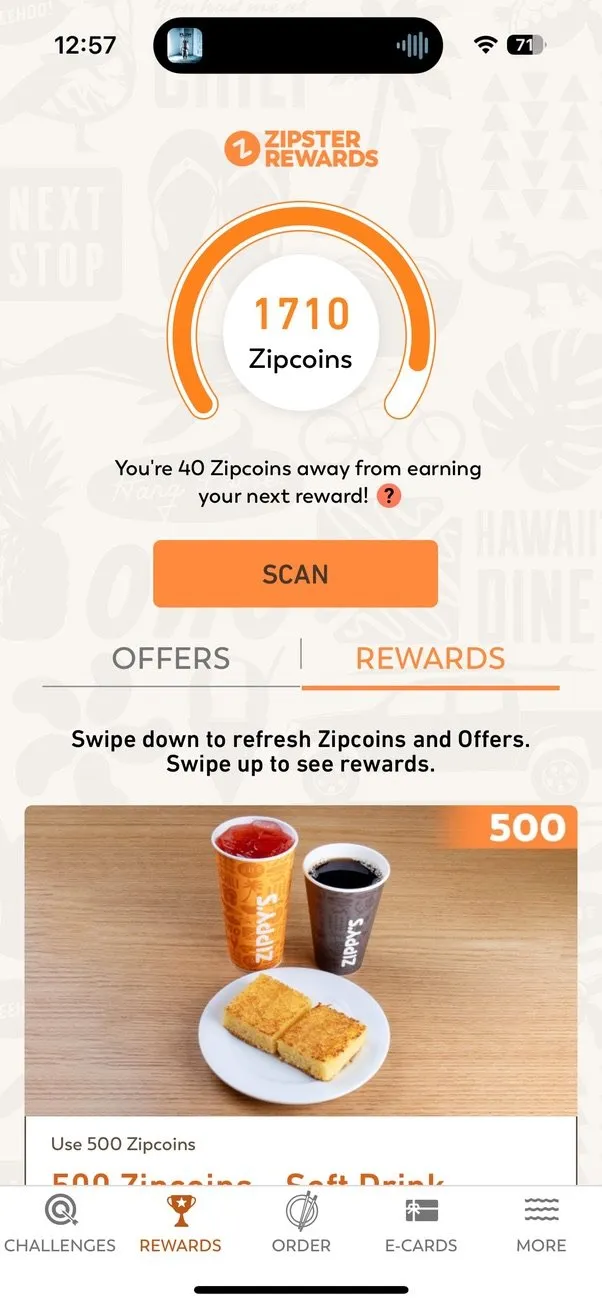
- Zippy's · Zipster Rewards ↗
- Max Holloway Foundation · Golf Classic ↗
- Eater · Why Hawaiʻi Locals Love Zippy's ↗